// Acupuncture
What is Acupuncture?
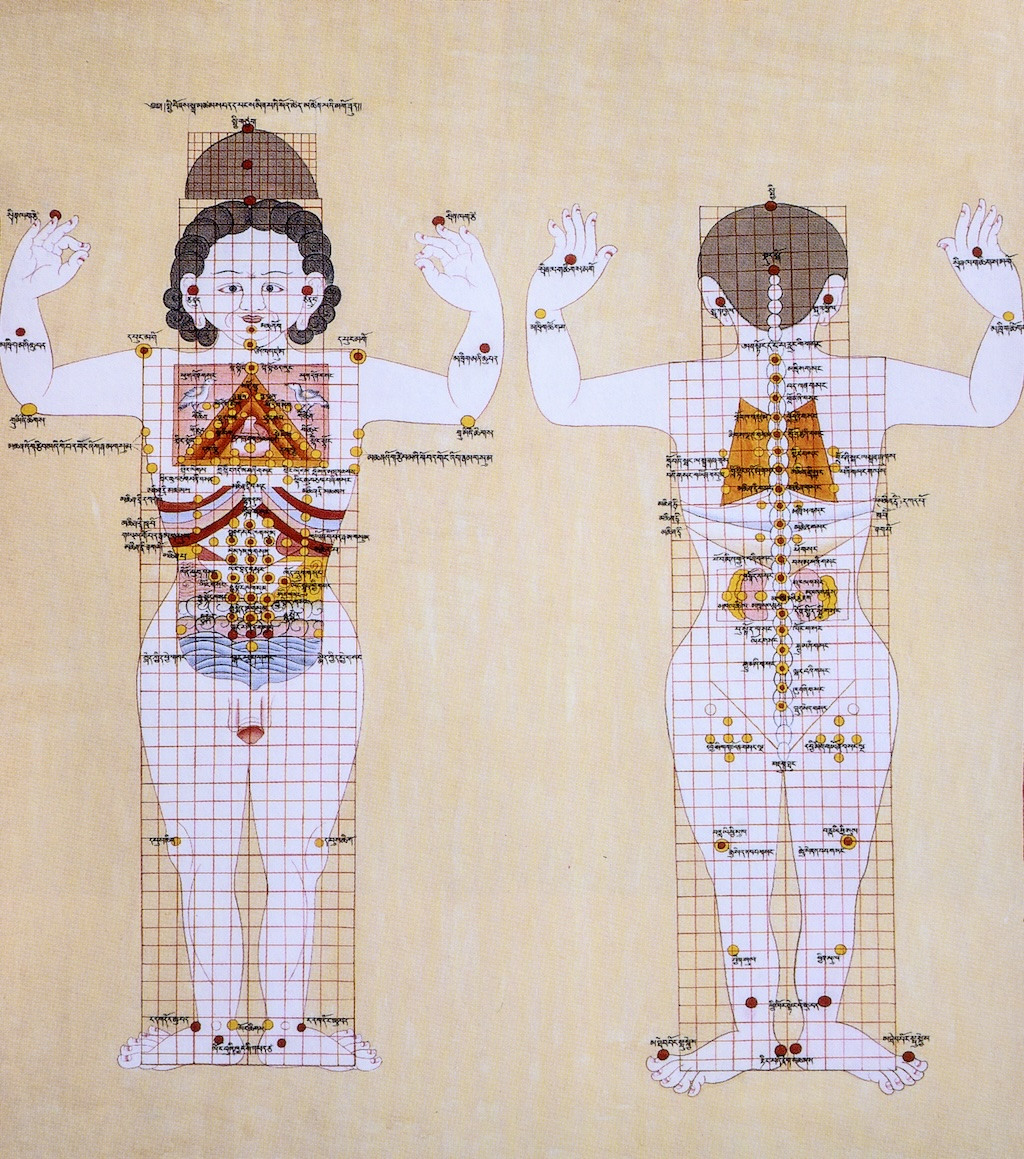
Acupuncture is a cornerstone of Traditional Chinese Medicine (TCM), with a history spanning thousands of years. It involves inserting fine, sterile needles into specific acupuncture points to regulate the flow of Qi, the vital energy that travels through pathways known as meridians. By addressing patterns of disharmony, acupuncture aims to restore balance and support the body's natural regulatory processes.
At AcuBrighton, treatments are tailored to the individual, taking into account physical symptoms, emotional well-being and the wider pattern of health. The clinic is located at Grantham House on Grantham Road in Brighton.
What Can Acupuncture Help With?
Acupuncture is used to support people with a wide range of health concerns, including:
- Pain and musculoskeletal problems: Back pain, neck pain, shoulder pain, joint pain, sciatica, frozen shoulder and other muscular conditions.
- Headaches and migraines: Recurring headaches and migraine symptoms.
- Stress and emotional well-being: Anxiety, stress, low mood and sleep difficulties.
- Women's health: Menstrual pain, PMS, PMDD, PCOS, menopausal symptoms and fertility-related concerns.
- Digestive problems: Bloating, acid reflux, constipation and IBS.
- Other concerns: Chronic fatigue, sinusitis, allergies and respiratory symptoms.
A Holistic Approach
Traditional Chinese Medicine considers the relationship between body, mind and emotions. Treatment is guided by an individual assessment, with acupuncture points selected according to the person's symptoms and underlying pattern of disharmony.
At AcuBrighton in Brighton, the aim is to support physical and emotional well-being through personalised acupuncture treatment.
Acupuncture